français
 English
 Deutsch
 italiano
 русский
 español
 português
 العربية
 Nederlands
 한국의
한국의 Romania
 Bulgaria
 Melayu

Dans le domaine des piles à combustible, le choix du système de refroidissement influe non seulement sur l'efficacité de la dissipation thermique, mais aussi directement sur la durée de vie du cœur de la pile. Derrière les deux principales approches de refroidissement – le refroidissement par air et le refroidissement liquide – se cachent des différences fondamentales qui impactent la durabilité de la pile.
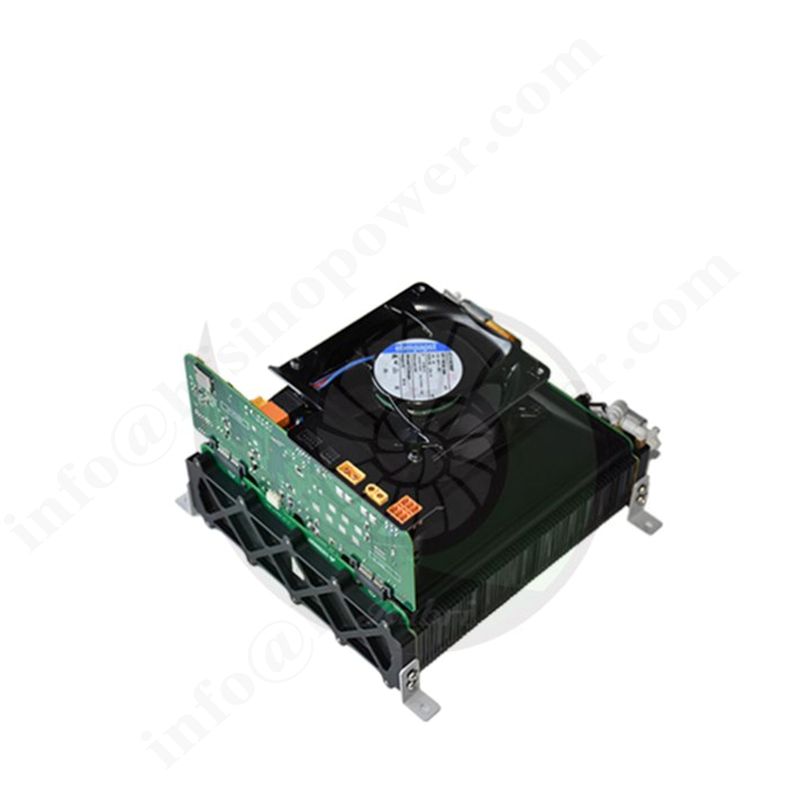
Les systèmes refroidis par air utilisent l'air comme fluide caloporteur. L'air ayant une faible capacité thermique massique, sa capacité à transporter la chaleur est limitée. En fonctionnement, des points chauds localisés peuvent facilement se former au sein de la pile à combustible. Cette répartition inégale de la température compromet non seulement les performances, mais accélère également la dégradation des matériaux : le taux de dégradation chimique de la membrane échangeuse de protons et des couches de catalyseur augmente de façon exponentielle à haute température. Les systèmes refroidis par liquide utilisent des fluides frigorigènes à capacité thermique massique plus élevée (généralement un mélange d'eau déminéralisée et d'éthylène glycol). C'est comme construire une « autoroute thermique » très efficace pour la pile. pile à combustible, qui peut éliminer uniformément et rapidement la chaleur de réaction, maintenant ainsi la pile à combustible fonctionnant dans la plage de température optimale et la plus uniforme, ralentissant fondamentalement le processus de vieillissement des matériaux.
Les systèmes refroidis par air sont confrontés à un compromis fondamental : le même flux d’air assure à la fois l’alimentation en gaz (oxygène pour les réactions chimiques) et le refroidissement. Pour dissiper la chaleur, il peut être nécessaire d’augmenter le flux d’air, mais cela risque d’éliminer l’humidité indispensable à l’électrode membranaire, provoquant ainsi le dessèchement de cette dernière ; à l’inverse, pour conserver l’eau, la dissipation de chaleur peut être compromise, entraînant une surchauffe. Cette fragilité de l’équilibre hydrothermique maintient la pile à combustible dans un état de contrainte prolongé. En revanche, le système de refroidissement liquide assure un découplage fonctionnel parfait : le circuit d’air est dédié à l’alimentation en air, et le circuit de liquide de refroidissement à la régulation de la température. Ces deux circuits sont optimisés indépendamment par le système de contrôle, garantissant ainsi le fonctionnement permanent de la pile à combustible dans sa plage optimale de température et d’humidité. Cet environnement interne stable et contrôlable est la base de sa longue durée de vie.
Les piles refroidies par air présentent souvent une augmentation de puissance « auto-accélérée » : augmentation de la charge → production de chaleur accrue → débit d'air plus important requis pour le refroidissement → dessèchement de l'ensemble membrane-électrode → augmentation de la résistance interne → dissipation de chaleur plus importante. Ceci crée une boucle de rétroaction positive instable. Plus grave encore, les cycles fréquents et extrêmes d'humidification et de séchage qui en résultent soumettent la couche catalytique, la couche de diffusion gazeuse et la membrane à d'immenses contraintes mécaniques, provoquant des dommages physiques tels que le délaminage et la fissuration. Les systèmes de refroidissement liquide assurent une régulation de puissance active et continue grâce à des pompes externes et une régulation en boucle fermée. Le débit et la température du fluide de refroidissement réagissent avec précision et rapidité aux variations de charge, minimisant ainsi les fluctuations de l'état interne de la pile. La réduction de la dilatation/contraction thermique et des cycles d'humidification et de séchage améliore naturellement la durabilité des matériaux.
Le refroidissement par air expose directement la cathode (électrode à air) de la pile à combustible à l'environnement. Les contaminants atmosphériques tels que la poussière, le sel et les sulfures peuvent facilement pénétrer et adhérer directement au catalyseur de platine, coûteux, et l'empoisonner, obstruant ainsi les pores de la couche de diffusion gazeuse. Cette contamination de la couche catalytique est l'une des principales causes de dégradation irréversible des performances. À l'inverse, les systèmes de refroidissement liquide sont généralement équipés d'un système de filtration rigoureux de l'air entrant dans la cathode, et l'ensemble de la pile à combustible est logé dans un boîtier relativement fermé, offrant une protection de niveau « salle blanche » à la couche catalytique et ralentissant considérablement la dégradation des performances due à la contamination.
En bref, piles à combustible refroidies par air Les piles à combustible classiques ressemblent à des sprinteurs performants, conçus pour les environnements difficiles : de structure simple, à démarrage rapide et peu coûteuses, elles conviennent aux applications légères et intermittentes, avec des exigences de durée de vie relativement faibles, comme les drones et les véhicules à basse vitesse. Les piles à combustible à refroidissement liquide, quant à elles, sont les championnes de l’endurance, conçues pour les marathons. Grâce à des systèmes plus complexes et sophistiqués, elles privilégient la stabilité à long terme. Leur priorité est la durabilité, ce qui en fait un choix privilégié pour les applications courantes telles que les véhicules de tourisme, les camions et la production d’énergie stationnaire.



 IPv6 RÉSEAU PRIS EN CHARGE