français
 English
 Deutsch
 italiano
 русский
 español
 português
 العربية
 Nederlands
 한국의
한국의 Romania
 Bulgaria
 Melayu

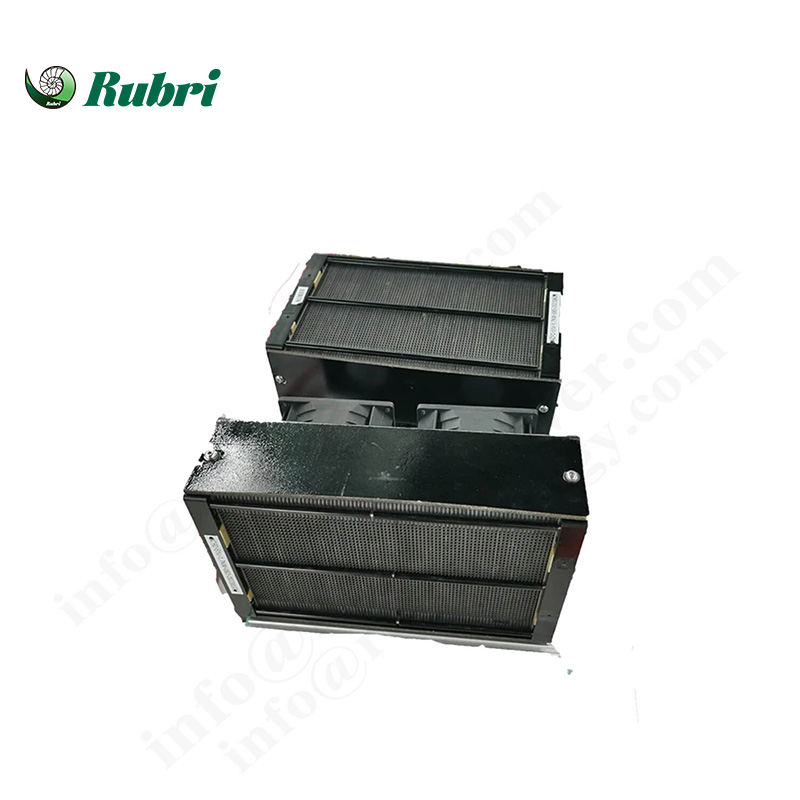
Unité d'électrodialyse pour le traitement des eaux usées industrielles et la récupération alcaline
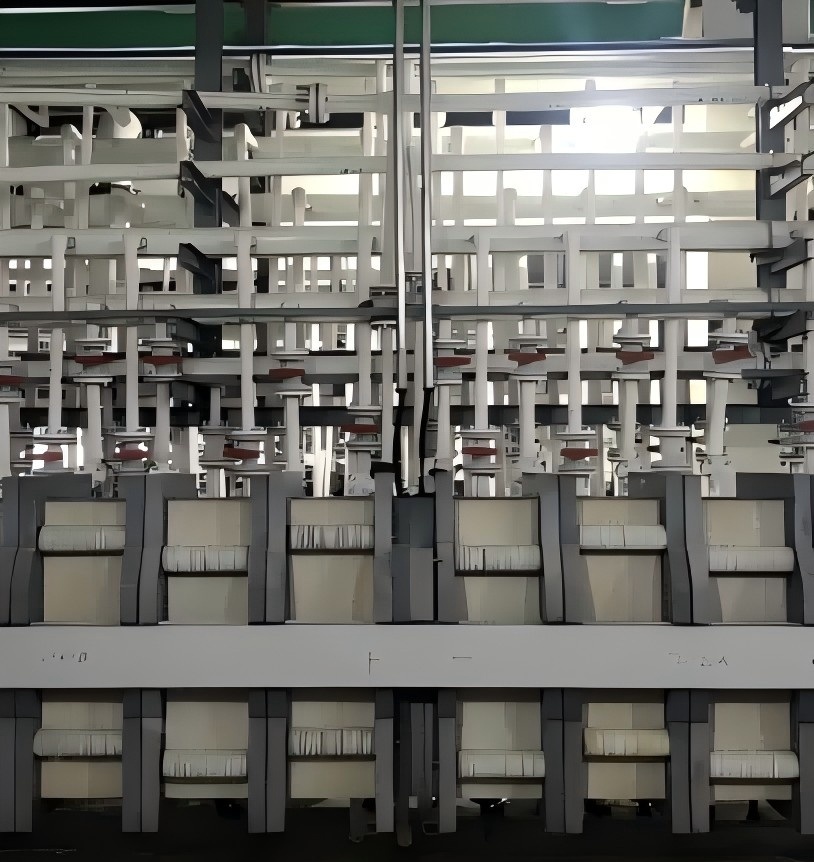
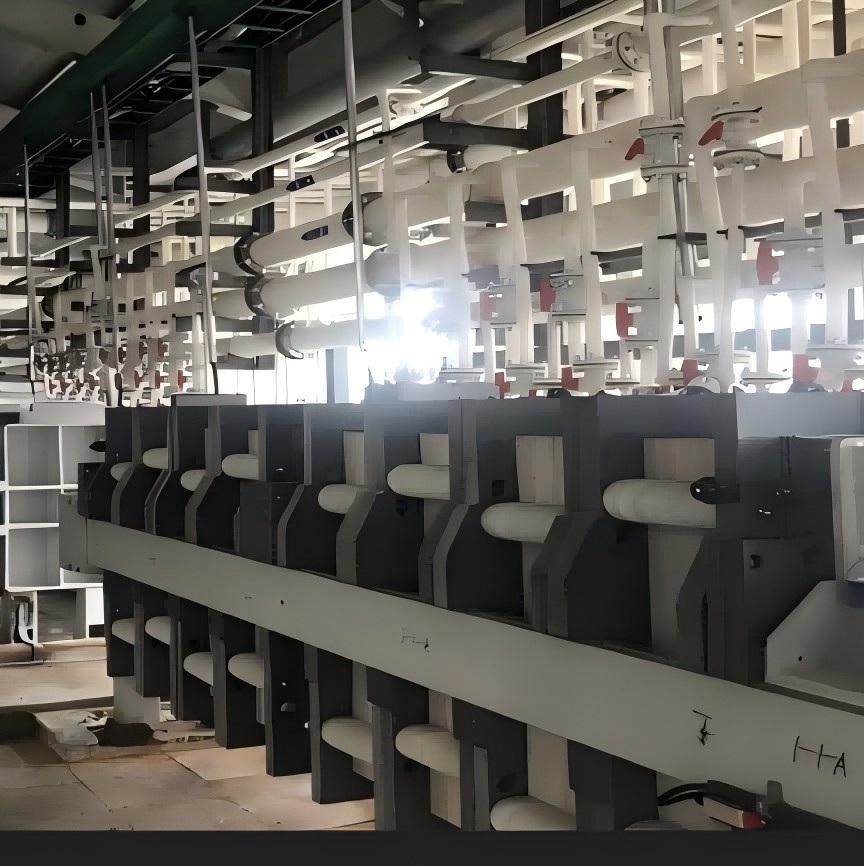
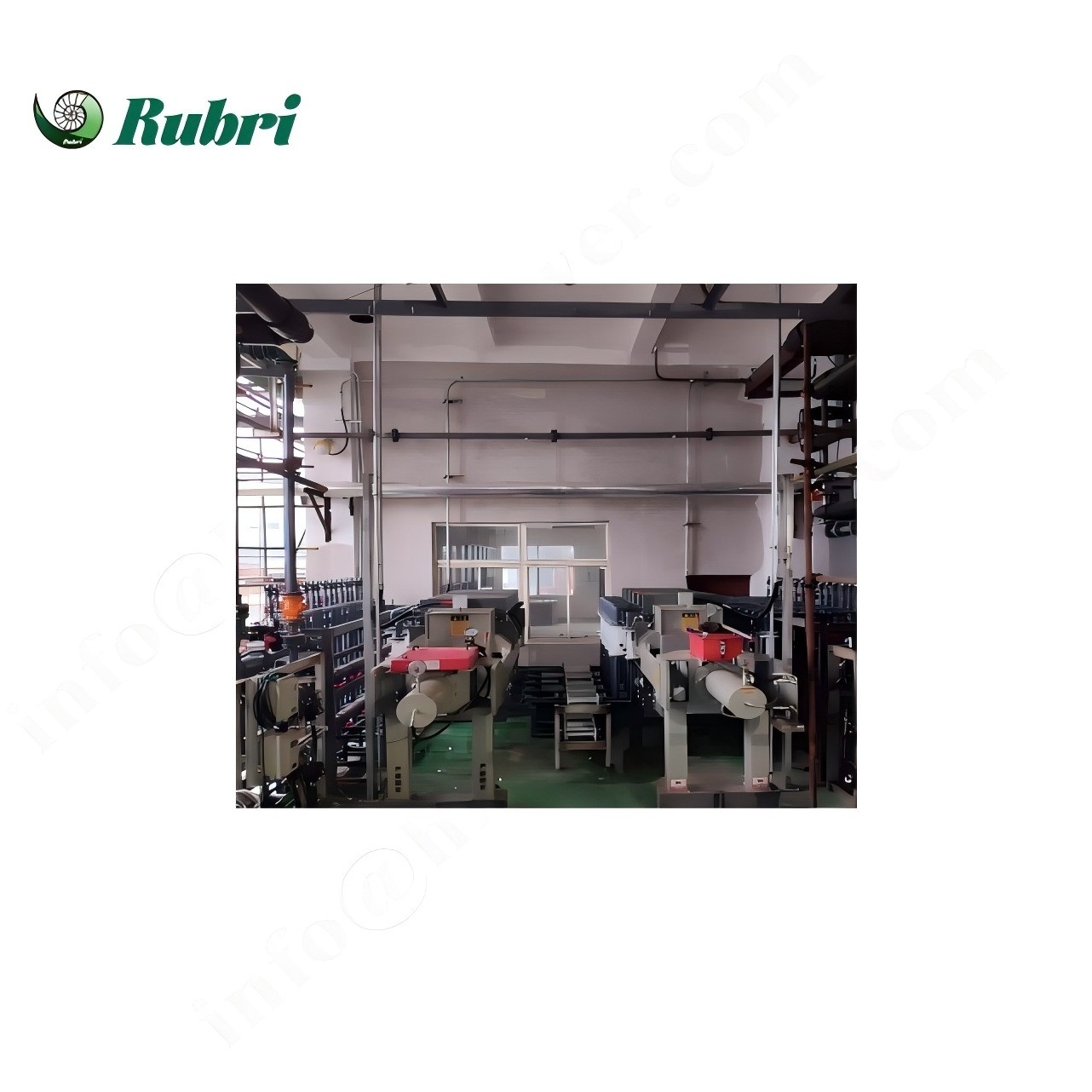
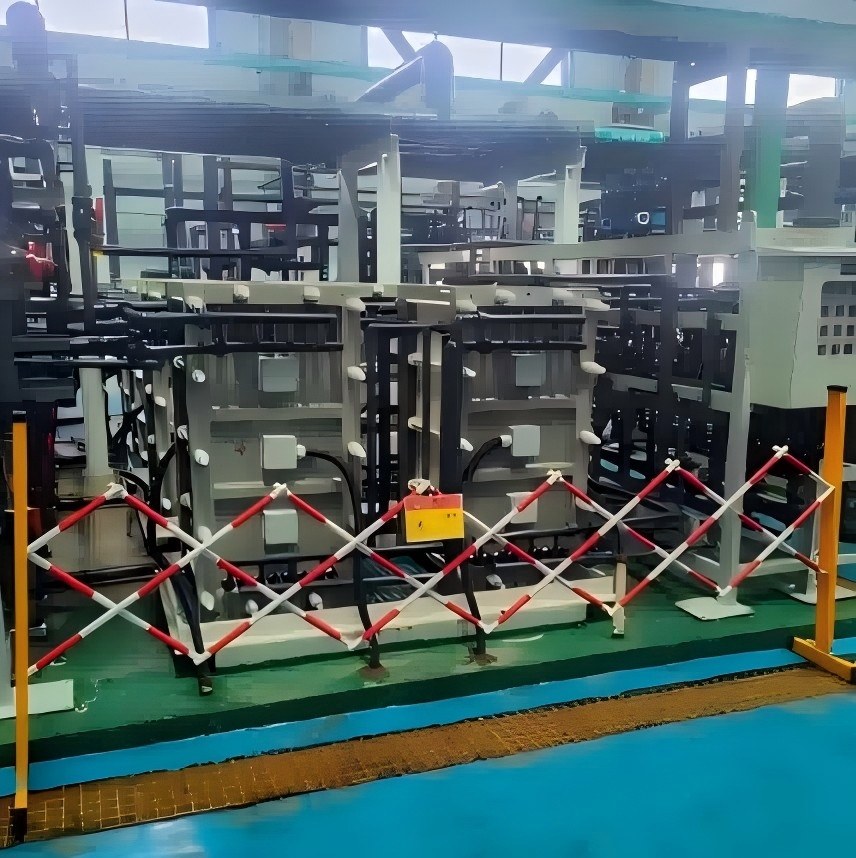
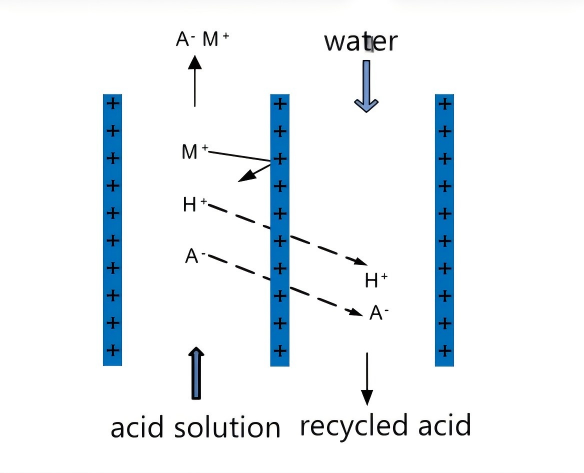
Membranes de dialyse par diffusion
Y compris les membranes de dialyse par diffusion pour la récupération d'acide et les membranes de dialyse par diffusion pour la récupération d'alcali.
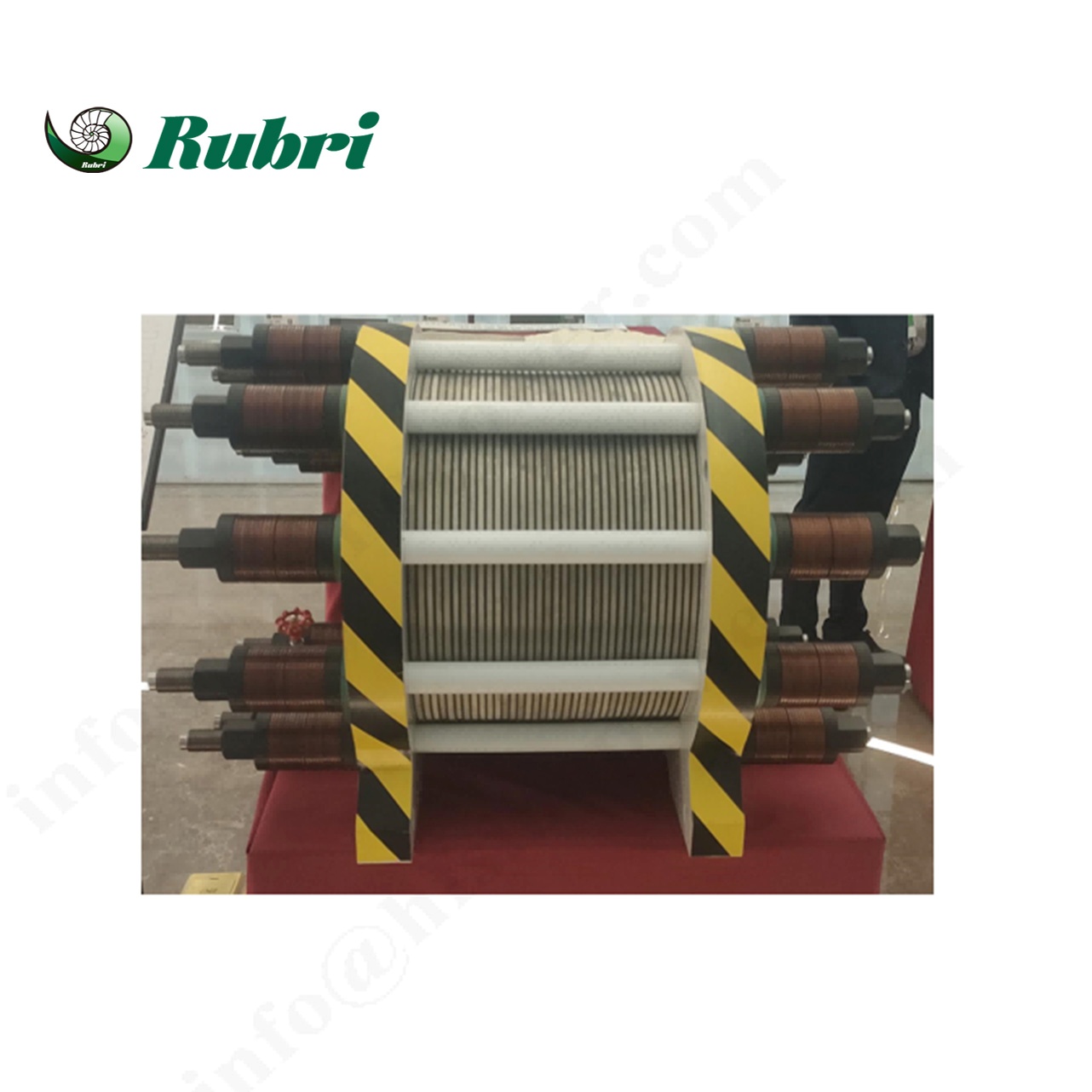
Dialyseurs à diffusion
Équipement pour la séparation des alcalis (acides) par disposition de membranes de dialyse par diffusion, de séparateurs de chambres de dialyse et de séparateurs de chambres de diffusion dans un certain ordre, en plaçant des plaques de distribution d'eau des deux côtés et en fixant avec des plaques de fixation.
--------------占位--------------------
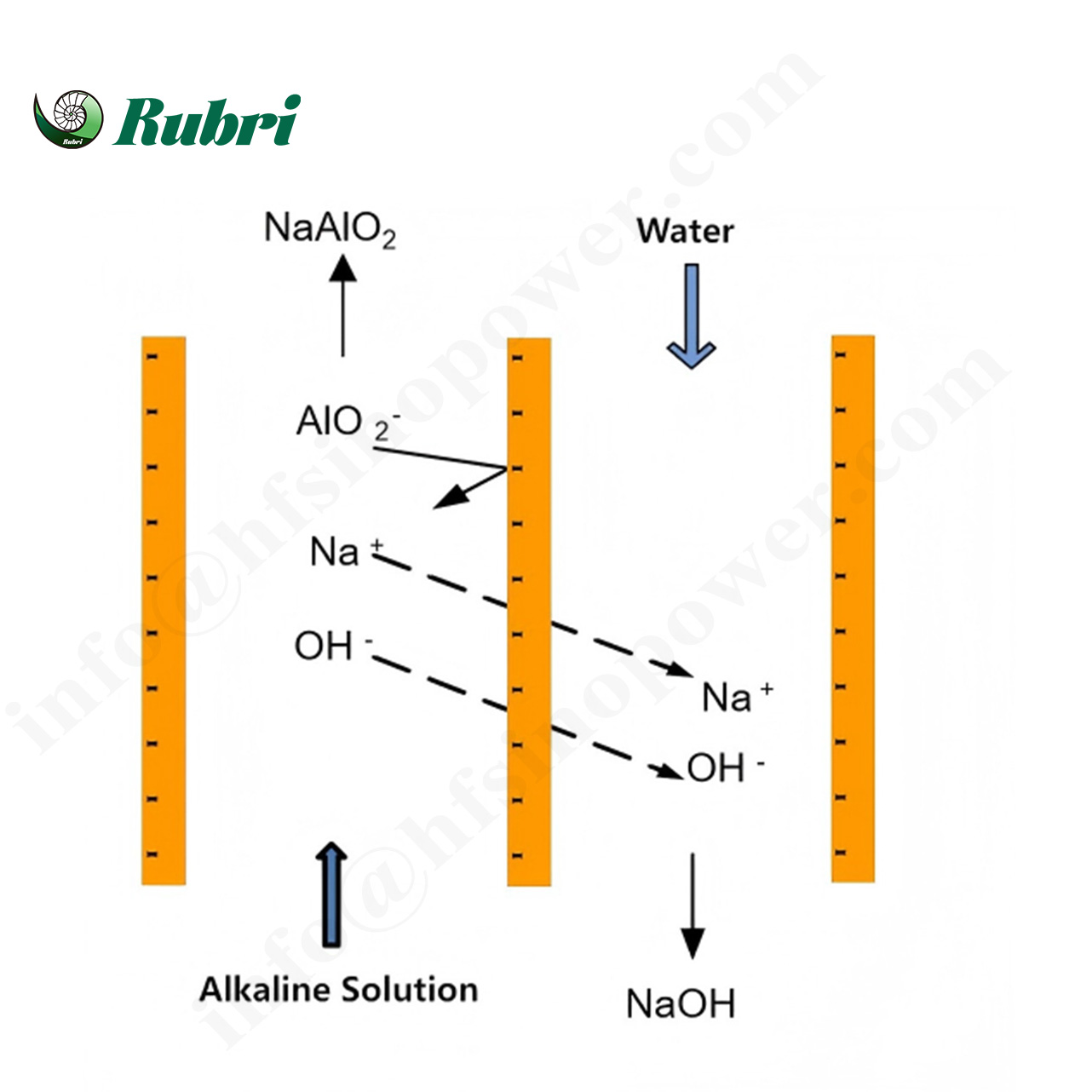
Principe de fonctionnement
Le procédé de dialyse par diffusion exploite la différence de concentration comme force motrice et utilise la perméabilité sélective des membranes échangeuses de cations (anioniques) aux bases (acides) et la forte rétention des sels ou autres composants pour séparer les bases (acides) des sels ou autres composants dans la solution.solutionLa solution alcaline (acide) séparée est réutilisée dans le processus de production.
--------------占位--------------------
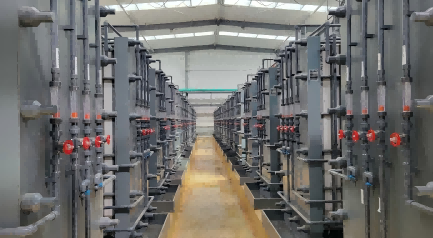
Application industrielle de la dialyse par diffusion
1. Projet de recyclage des déchets acides de l'industrie du papier aluminium électronique
2. Projet de recyclage des déchets acides de l'industrie du graphite
3. Projet de recyclage des déchets acides de l'industrie hydrométallurgique
4. Projet de recyclage des déchets acides de l'industrie du décapage de l'acier
5. Projet de recyclage des déchets acides de l'industrie du dioxyde de titane
--------------占位--------------------
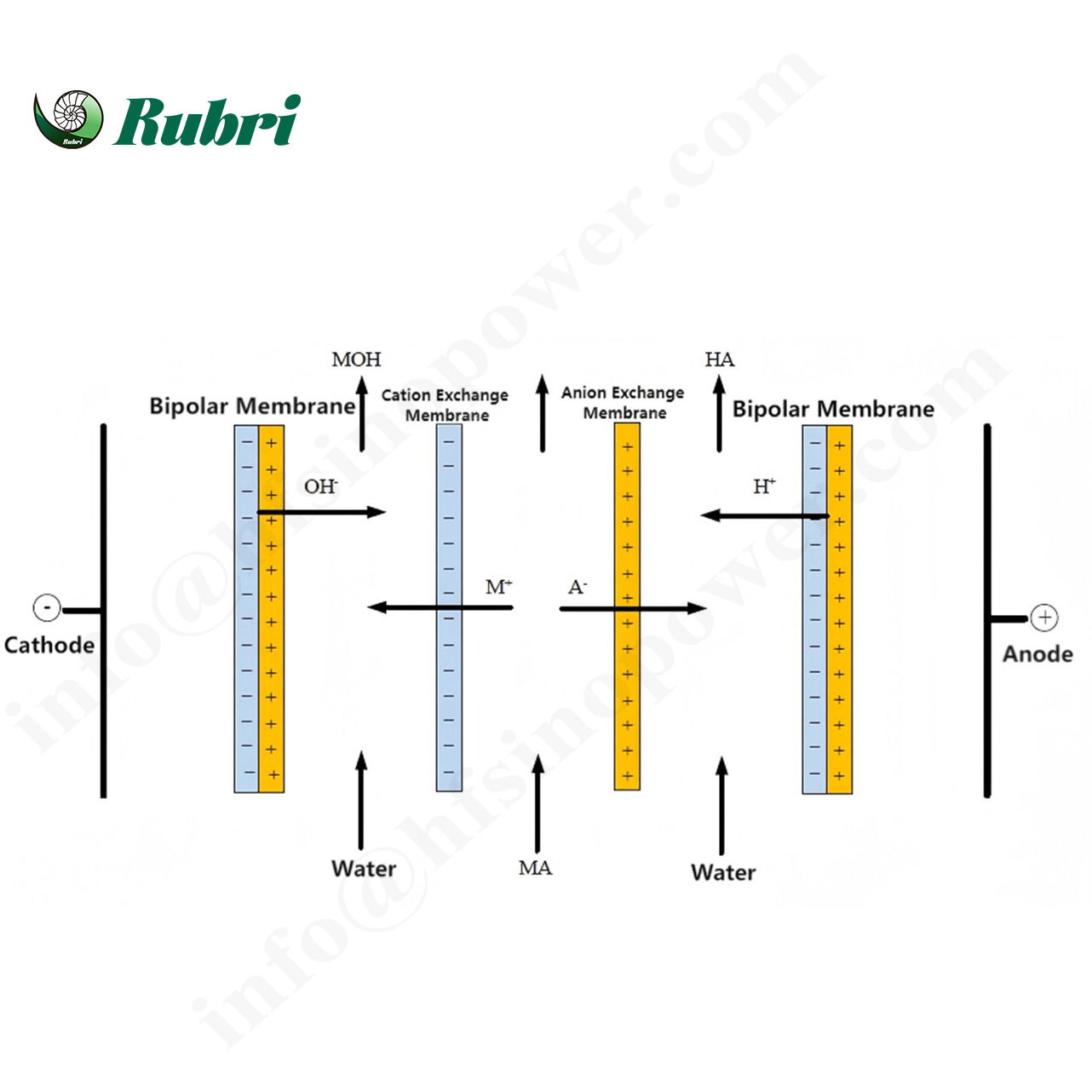
Membranes bipolaires
Composé d'une couche de membrane anionique et d'une couche de membrane cationique, il peut effectuer l'électrodissociation de l'eau ou de l'alcool sous l'effet d'un champ électrique.
Structure de l'équipement
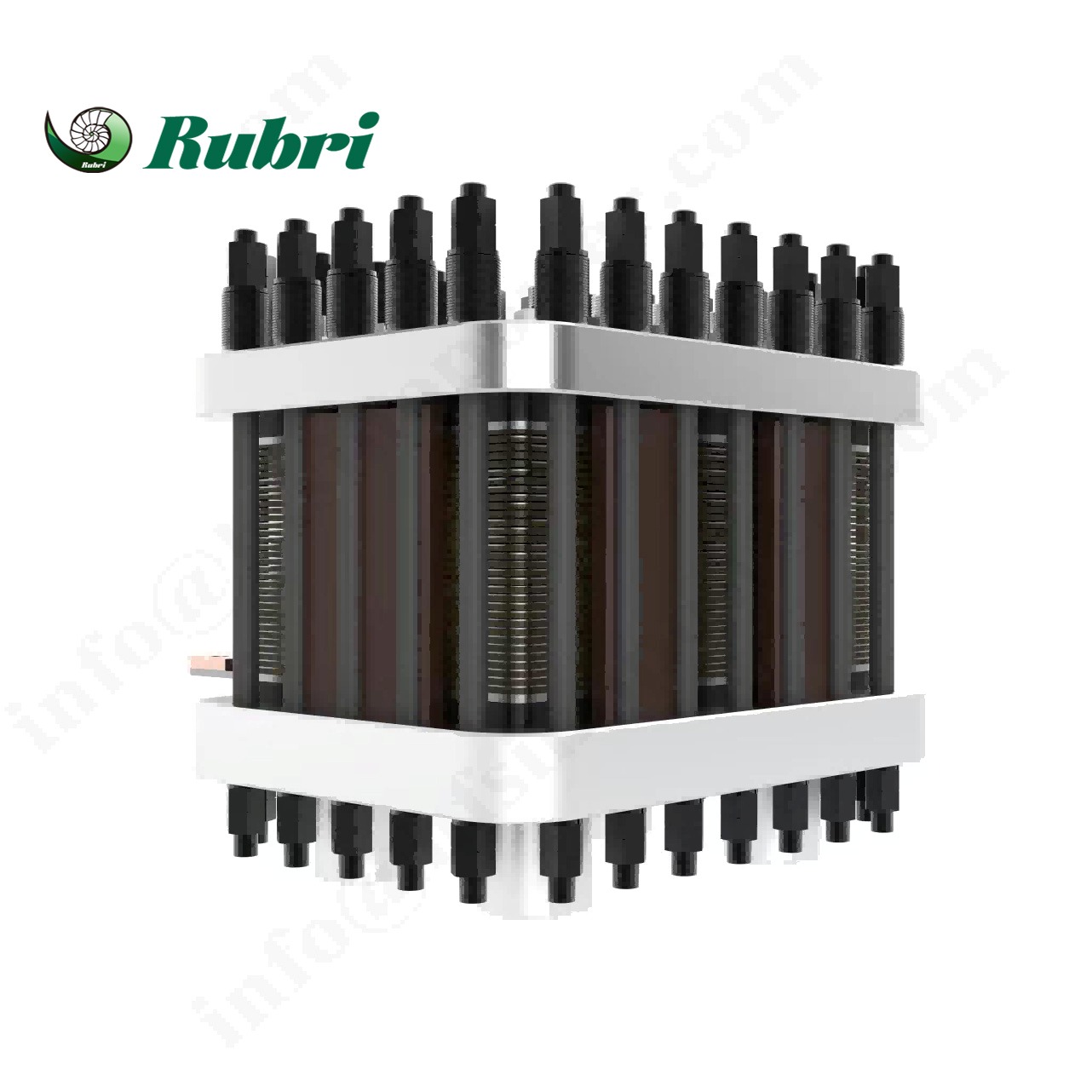
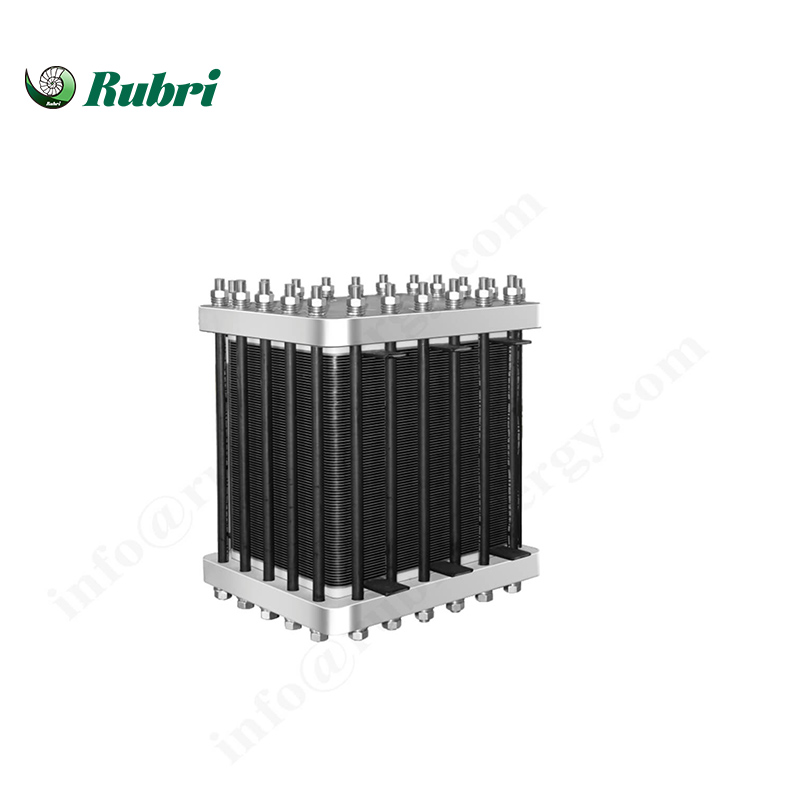
Assemblé par alternance de membranes bipolaires, de membranes anioniques et de membranes cationiques, séparées par des séparateurs, et équipé de plaques d'électrodes, de plaques polaires et de plaques d'extrémité.
--------------占位--------------------
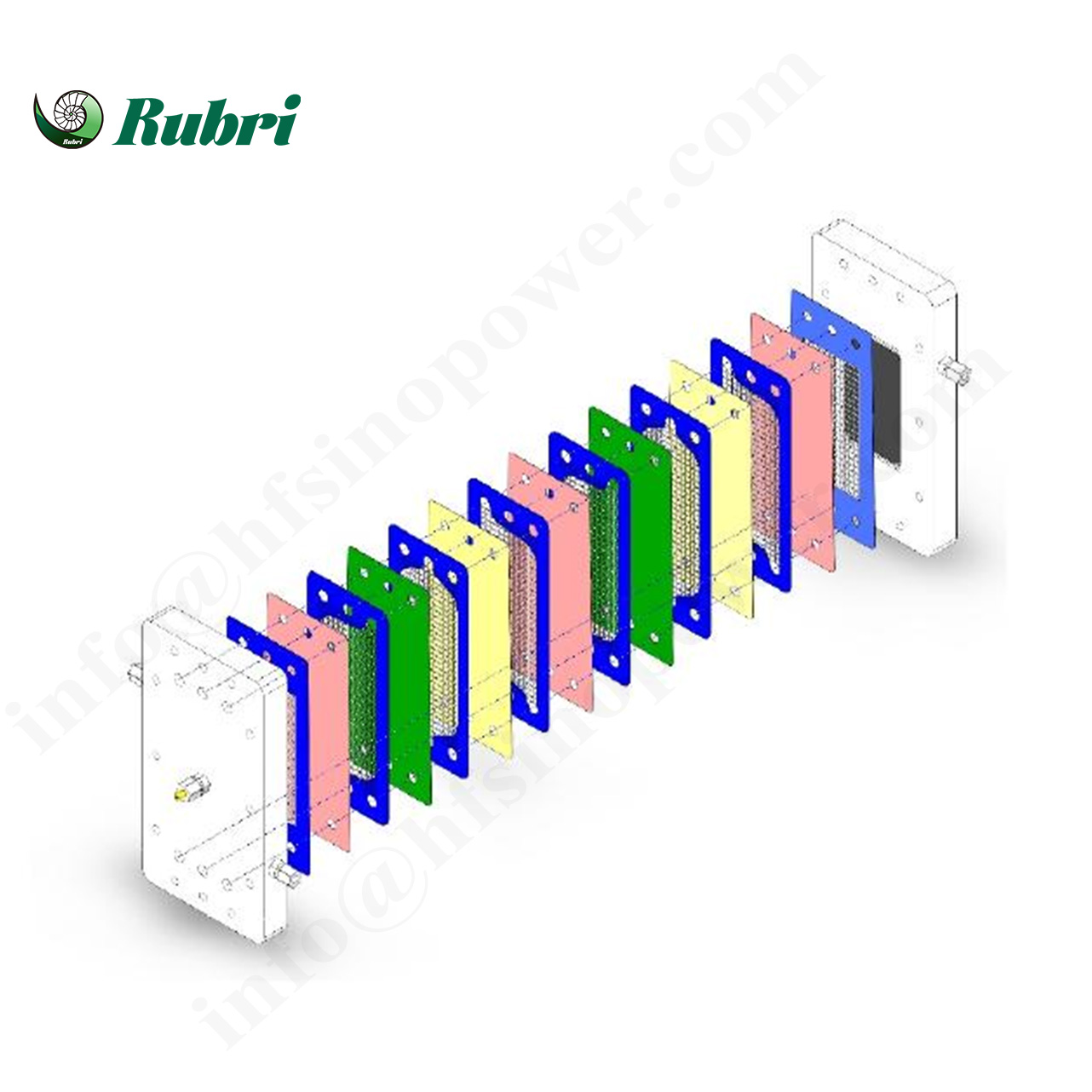
Principe de fonctionnement
L'eau est dissociée en ions H⁺ et OH⁻, qui se combinent respectivement avec les anions et cations correspondants pour former des acides et des bases. Ce procédé permet le dessalement des eaux usées et la préparation d'acides et de bases.
--------------占位--------------------
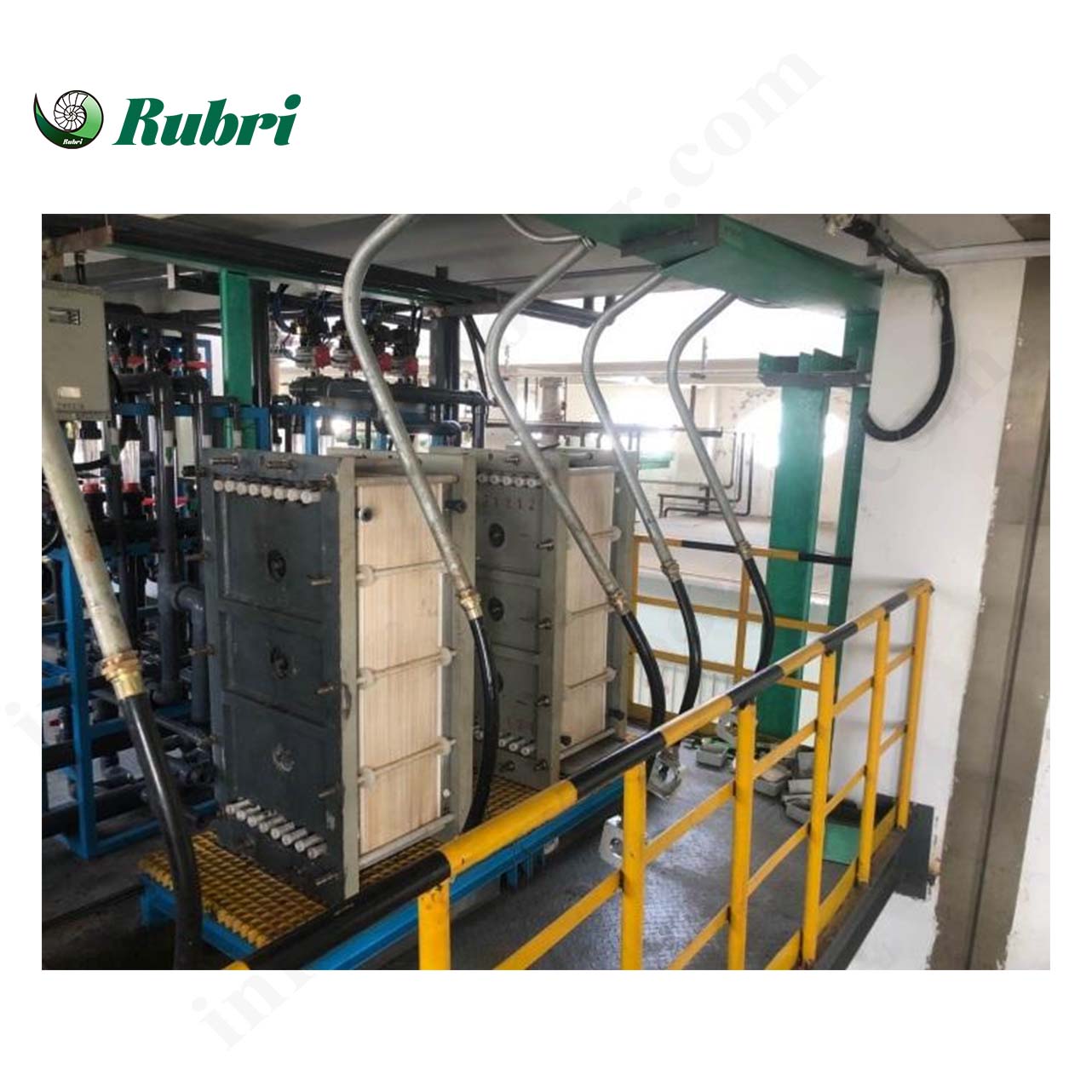
Application industrielle de l'électrodialyse à membrane bipolaire
1. Électrodialyse à membrane bipolaire pour la conversion et la concentration d'acides/bases organiques
2. Électrodialyse à membrane bipolaire pour
Utilisation des ressources du traitement de la saumure
--------------占位--------------------
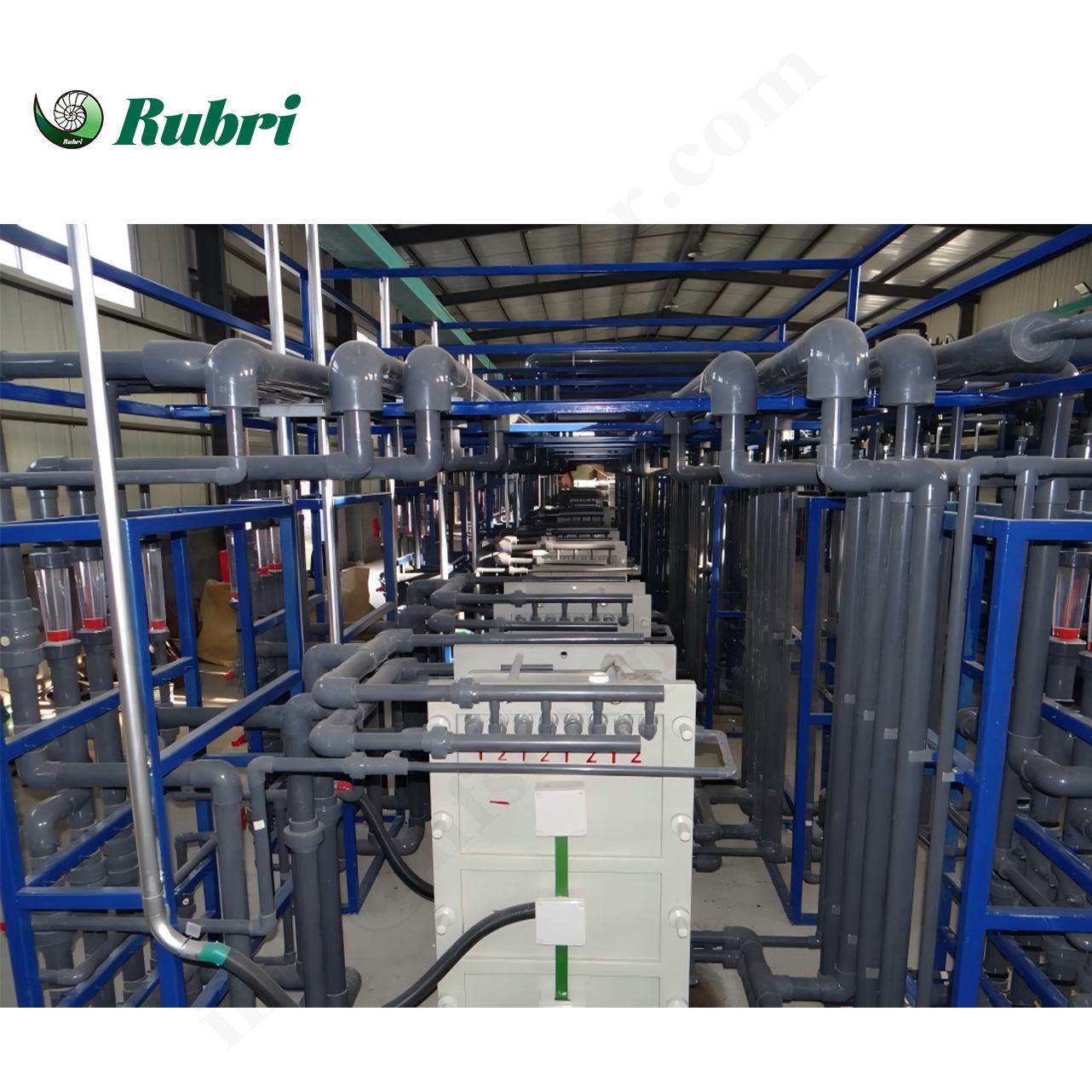
IntroductionL'électrodialyse à membrane bipolaire (EMMB) est une technologie de séparation électrochimique avancée qui utilise un empilement de membranes spécialisé pour convertir directement les sels en leurs acides et bases correspondants. Son composant principal est la membrane bipolaire (MB), constituée d'une couche échangeuse de cations et d'une couche échangeuse d'anions laminées l'une à l'autre. Sous l'influence d'un champ électrique continu (CC), la MB catalyse la dissociation des molécules d'eau à sa jonction, produisant des ions H⁺ et OH⁻. Ces ions migrent à travers l'empilement de membranes pour réagir avec les anions et les cations d'une solution saline, générant ainsi simultanément des acides et des bases.
EN SAVOIR PLUS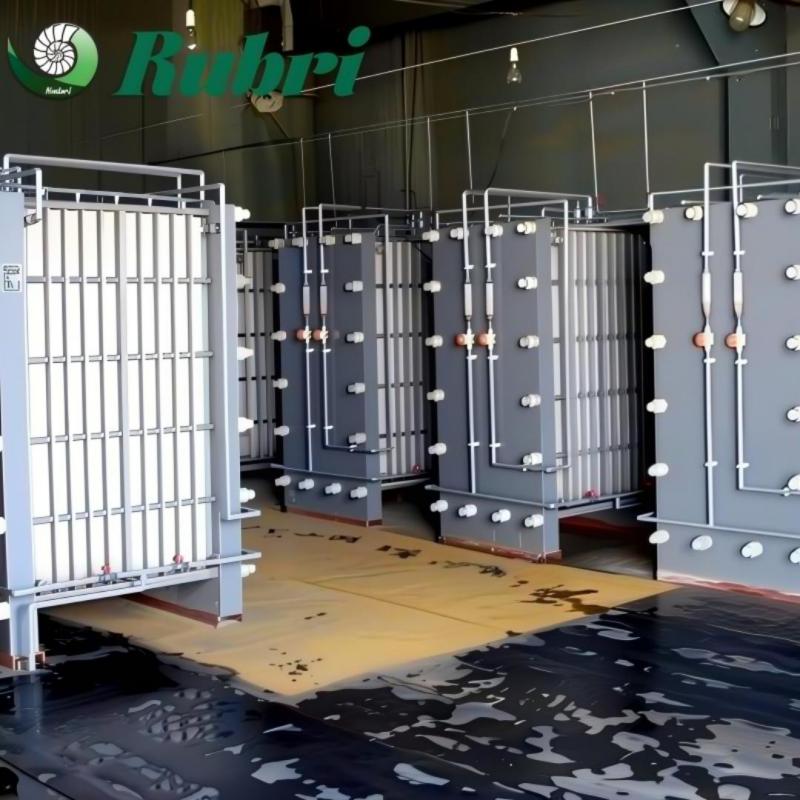
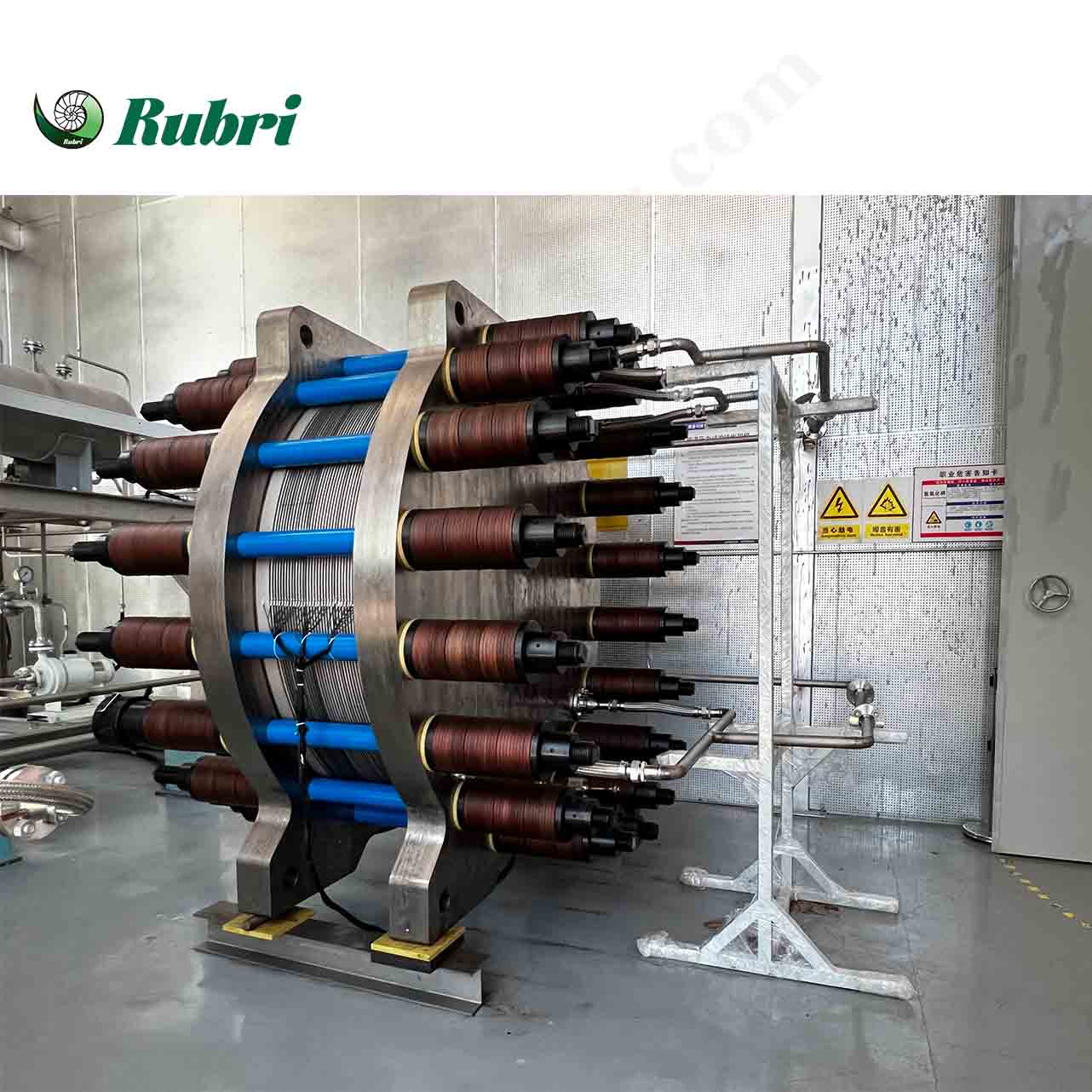
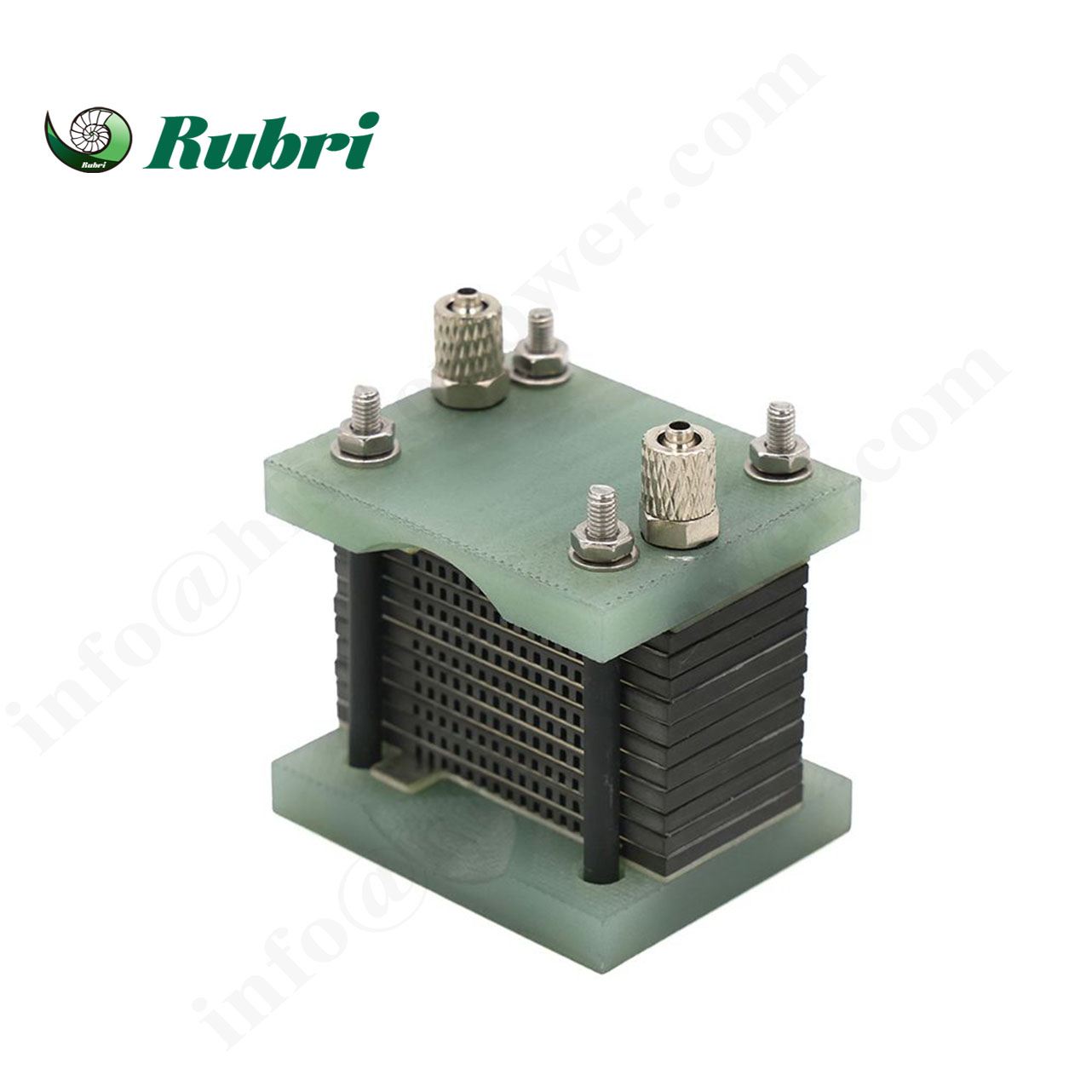
L'électrodialyseur est un équipement essentiel de séparation ionique utilisant la technologie d'électrodialyse. Grâce à l'application d'un champ électrique continu et à l'utilisation de membranes échangeuses d'anions et de cations, il permet la migration et la séparation directionnelles des ions en solution. De conception simple et fiable, il existe en versions à fixation par vis et intégrées hydrauliques, adaptées à différentes échelles d'utilisation. Largement utilisé dans le dessalement de l'eau de mer, le traitement des eaux usées industrielles, la concentration des produits alimentaires, la purification pharmaceutique et le traitement des électrolytes pour les énergies nouvelles, il assure efficacement le dessalement, la concentration et l'élimination des impuretés ioniques des solutions.
EN SAVOIR PLUS
Rubri maîtrise la technologie de dialyse par diffusion et possède les compétences nécessaires pour concevoir et mettre en œuvre des solutions personnalisées, offrant ainsi à ses clients des solutions de production complètes, écologiques et propres.
EN SAVOIR PLUS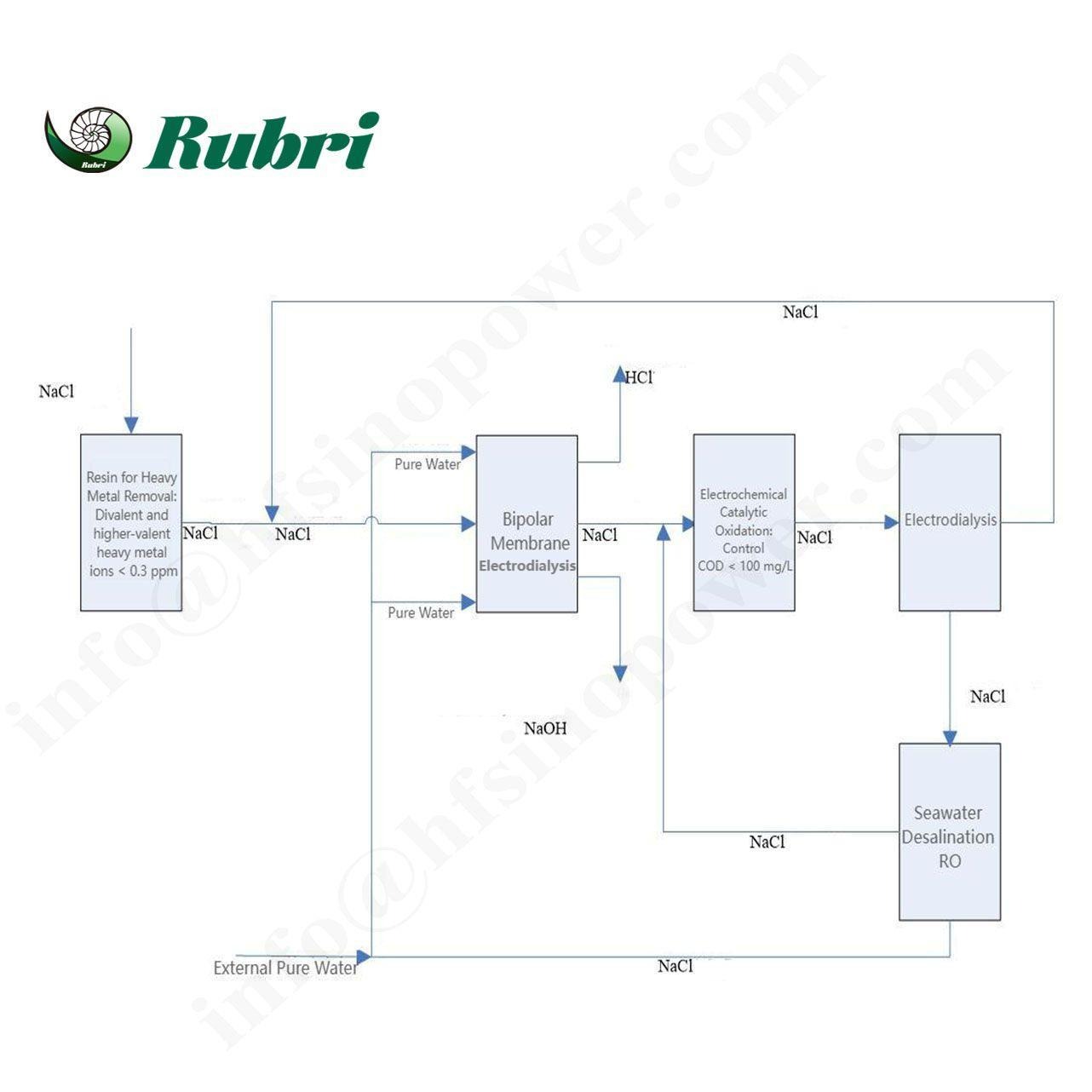
Rubri maîtrise la technologie d'électrodialyse à membrane bipolaire et possède les compétences nécessaires pour concevoir et mettre en œuvre des solutions personnalisées, offrant ainsi à ses clients des plans de production écologiques et propres complets.
EN SAVOIR PLUS
Principe fondamental de l'électrodialyseLe cœur de la technologie d'électrodialyse réside dans la combinaison du champ électrique et de la technologie des membranes sélectives, son principe spécifique étant divisé en deux parties :1. Effet moteur du champ électrique continuSous l'action d'un champ électrique continu, les anions et les cations en solution se déplacent de manière directionnelle : les cations migrent vers l'électrode négative, tandis que les anions migrent vers l'électrode positive.2. Effet de tamisage sélectif des membranes échangeuses d'ionsDeux types de membranes échangeuses d'ions sont utilisés dans le système pour réaliser la séparation des ions :Membrane échangeuse de cations : ne laisse passer que les cations (par exemple, Na+).+, Ca2+, Mg2+) de passer, tout en bloquant les anions.Membrane échangeuse d'anions : Ne laisse passer que les anions (par exemple, Cl-).-, DONC42-) pour passer, tout en bloquant les cations.
EN SAVOIR PLUS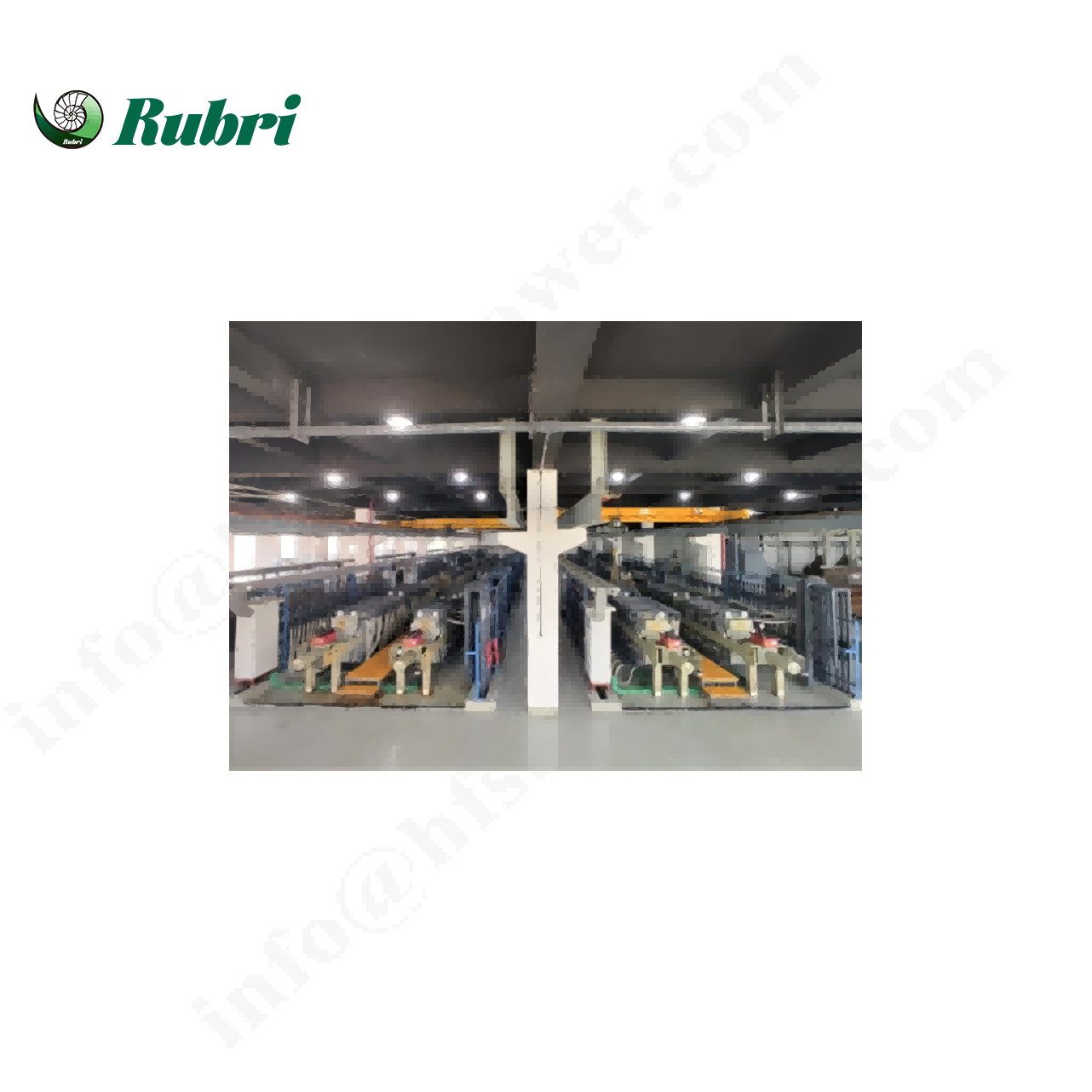
Cette technologie repose sur le principe de l'électrodialyse à membrane bipolaire. Sous l'action d'un champ électrique à courant continu, elle utilise des membranes bipolaires pour dissocier efficacement les molécules d'eau en ions hydrogène et ions hydroxyde. Ce procédé permet ensuite de convertir de manière sélective les sels présents dans les eaux usées de galvanoplastie (tels que le chlorure de sodium, le sulfate de sodium, etc.) en acides (tels que l'acide chlorhydrique, l'acide sulfurique) et bases (tels que l'hydroxyde de sodium) correspondants, atteignant ainsi le double objectif de purification des eaux usées et de valorisation des ressources.
EN SAVOIR PLUS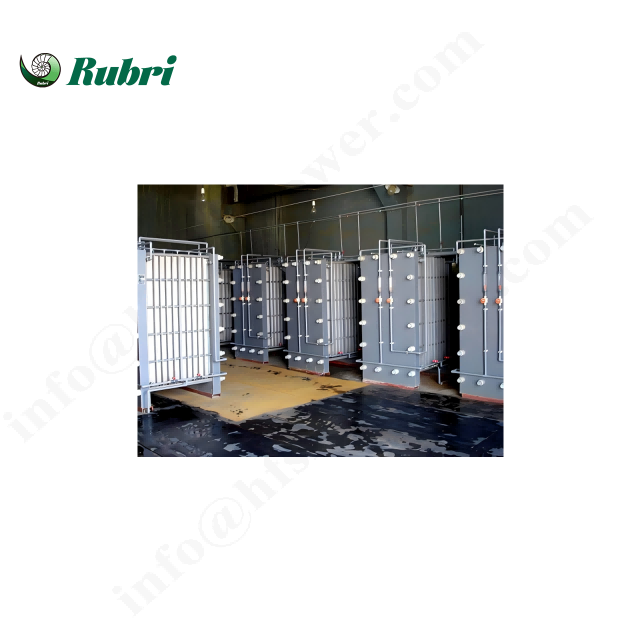
Principe fondamental de l'électrodialyseLe principe de l'électrodialyse repose sur la combinaison d'un champ électrique et de la technologie des membranes sélectives. Il se divise en deux parties :Effet moteur du champ électrique continu et du gradient de concentrationSous l'action d'un champ électrique continu ou d'un gradient de concentration, les anions et les cations en solution se déplacent de manière directionnelle : les cations migrent vers l'électrode négative, tandis que les anions migrent vers l'électrode positive ; les solutés se déplacent des solutions à forte concentration vers celles à faible concentration.Effet de tamisage sélectif des membranes échangeuses d'ionsDeux types de membranes échangeuses d'ions sont utilisés dans le système pour réaliser la séparation des ions :Membrane échangeuse de cations : Permet uniquement aux cations (par exemple, Na⁺, Ca²⁺, Mg²⁺) de passer, tout en bloquant les anions.Membrane échangeuse d'anions : Permet uniquement aux anions (par exemple, Cl⁻, SO₄²⁻) de passer, tout en bloquant les cations.
EN SAVOIR PLUS
Principe de base de l'électrodialyse à membrane bipolaire (BPED)Le cœur de la technologie BPED réside dans la combinaison d'un champ électrique, d'une technologie de membrane sélective et de la capacité unique de dissociation de l'eau des membranes bipolaires.1. Effet moteur du champ électrique continuSous l'effet d'un champ électrique continu, les ions migrent de façon directionnelle : les cations se déplacent vers la cathode, tandis que les anions se déplacent vers l'anode.2. Fonctions membranairesMembrane bipolaire (BPM) : Divise l'eau (H2O) dansH+etOH−Les ions sous l'effet du champ électrique constituent une source pour la production d'acides et de bases.Membrane échangeuse de cations (CEM) : Permet sélectivement le passage des cations.Membrane échangeuse d'anions (AEM) : Permet sélectivement le passage des anions.En disposant ces membranes en alternance, les sels peuvent être convertis en acides et bases correspondants.
EN SAVOIR PLUS


 IPv6 RÉSEAU PRIS EN CHARGE